



[ Item ID : 118614 ]
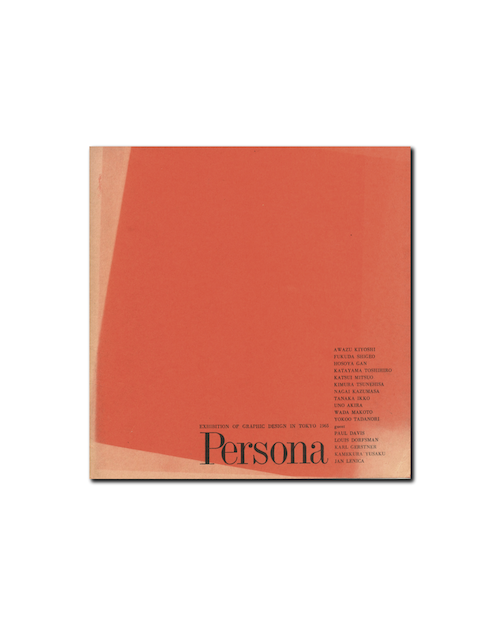
| タイトル | ペルソナ EXHIBITION OF GRAPHIC DESIGN IN TOKYO 1965 11月12日-17日 |
|---|---|
| 著者/作家 | 粟津潔、福田繁雄、細谷巖、片山利弘、勝井三雄、木村恒久、永井一正、田中一光、宇野亜喜良、和田誠、横尾忠則 招待デザイナー:ポール・デイヴィス、ルイス・ドルフスマン、カール・ゲルストナー、亀倉雄策、ヤン・レニッア |
| 出版社 | 銀座松屋 |
| 発行年 | 1965年 |
| 基本情報 | 1冊 |
| 状態 |
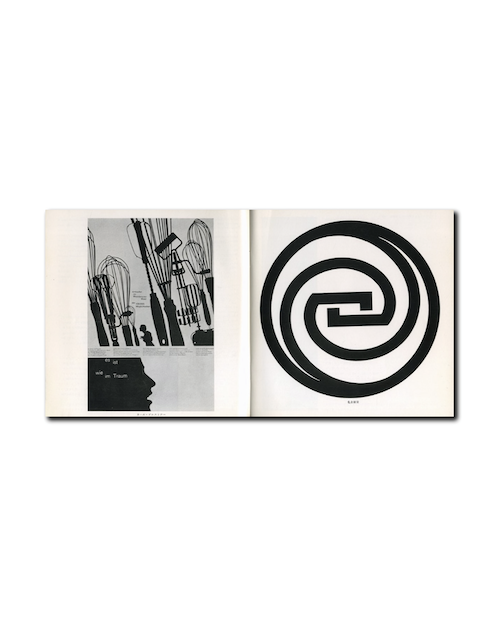
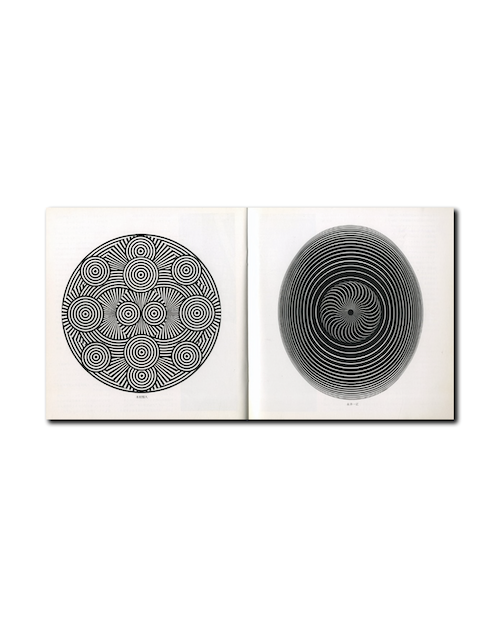
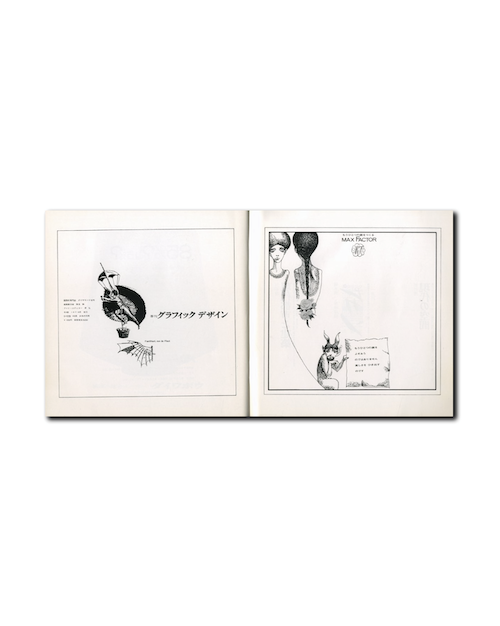
1965年11月、東京・銀座松屋で開催された「ペルソナ」展のカタログが入荷しました。
出品作家は、粟津潔、福田繁雄、細谷巖、片山利弘、勝井三雄、木村恒久、永井一正、田中一光、宇野亜喜良、和田誠、横尾忠則の11名。
招待デザイナーとして、ポール・デイヴィス、ルイス・ドルフスマン、カール・ゲルストナー、亀倉雄策、ヤン・レニッアが参加しています。
勝見勝氏による序文では、東京オリンピックの開催を契機として活躍した若手デザイナーたちに触れながら、デザイン界における「無名の創造行為の重要さ」から、個々のデザイナーがそれぞれの個性を表現する時代への移り変わりが語られています。
参加作家の多くが、その後の日本のグラフィックデザインを牽引する存在となったことを考えても、非常に興味深い内容です。
また本カタログには、単に作品を紹介するだけでなく、それぞれのデザイナーに焦点を当てたテキストが収録されています。
亀倉雄策について語るソール・バス、横尾忠則について綴る寺山修司など、デザインそのものだけでなく、作家の個性や人物像に迫る文章を読むことができます。
展覧会はわずか6日間の開催でしたが、約35,000人が訪れる大きな反響を呼びました。
戦後日本のグラフィックデザインの変遷をとらえる非常に見応えのある一冊です。
| Title | Persona EXHIBITION OF GRAPHIC DESIGN IN TOKYO 1965 12 - 17 November |
|---|---|
| Author/Artist | Kiyoshi Awazu, Shigeo Fukuda, Gan Hosoya, Toshihiro Katayama, Mitsuo Katsui, Tsunehisa Kimura, Kazumasa Nagai, Ikko Tanaka, Aquirax Uno, Makoto Wada, and Tadanori Yokoo. The invited designers were Paul Davis, Lou Dorfsman, Karl Gerstner, Yusaku Kamekura, |
| Publisher | Matsuya Ginza |
| Year | 1965 |
| Details |
A catalog for the “Persona” exhibition, held at Matsuya Ginza in Tokyo in November 1965, has just arrived.
The exhibition featured 11 designers: Kiyoshi Awazu, Shigeo Fukuda, Gan Hosoya, Toshihiro Katayama, Mitsuo Katsui, Tsunehisa Kimura, Kazumasa Nagai, Ikko Tanaka, Aquirax Uno, Makoto Wada, and Tadanori Yokoo.
The invited designers were Paul Davis, Lou Dorfsman, Karl Gerstner, Yusaku Kamekura, and Jan Lenica.
In his foreword, Masaru Katsumi discusses the young designers who rose to prominence in the wake of the Tokyo Olympics, reflecting on the shift from an emphasis on the “importance of anonymous acts of creation” within the design world toward an era in which individual designers increasingly sought to express their own distinctive identities.
It is particularly fascinating in retrospect, given that many of the participating designers would go on to become leading figures in Japanese graphic design.
The catalog also contains texts focusing on the individual designers, rather than simply introducing their work. Among them are Saul Bass’s text on Yusaku Kamekura and Shuji Terayama’s writing on Tadanori Yokoo. These contributions offer a closer look not only at the designers’ work, but also at their individual personalities and identities.
Although the exhibition ran for only six days, it attracted approximately 35,000 visitors and received an extraordinary response. This is a particularly compelling catalog for anyone interested in tracing the development and transformation of postwar Japanese graphic design.